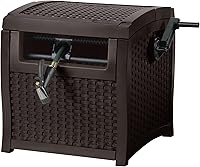
How to Disassemble a Suncast Hose Reel
To disassemble a Suncast hose reel, open or remove the housing cover, unwind and detach the hose, then separate the spool from the frame to reach the crank and fittings. Work on a flat surface and keep every screw and cap in one container so reassembly stays simple.
On this page (9 sections)
- What you need before you start
- How to disassemble a Suncast Hose Hideaway box
- How to open a Suncast wall-mount reel
- How to remove the hose and free the spool
- How to separate the spool from the housing safely
- What to check while the reel is apart
- How to put the Suncast reel back together
- Common mistakes to avoid when taking a Suncast reel apart
- Which Suncast reel fits your setup?
To disassemble a Suncast hose reel, open or remove the housing cover, unwind and detach the hose, then separate the spool from the frame to reach the crank and the swivel fitting. Work on a flat surface and keep every screw and cap in one container so reassembly stays simple.
Knowing how to disassemble a Suncast hose reel helps when the spool jams, a fitting drips, or you want to dry the inside before winter. The steps below cover the hideaway box style and the wall-mount style, with the small differences noted where they matter.
What you need before you start
Clear space, a screwdriver, a small wrench, and a container for hardware cover most Suncast reels. Add a towel for water and a second pair of hands if the spool feels heavy once it comes free.
Pick a flat spot such as a driveway or patio where small screws won't roll away. Shut off the faucet and pull the hose off the spigot before you touch the reel, then drain the line so water doesn't run into the housing.
Lay the housing on its side only if the shape allows it to sit stable. For a wall-mount unit, leave it on the wall until the hose is off, then lift it down if you need to work on the spool.
How to disassemble a Suncast Hose Hideaway box
The hideaway opens from the top and the spool sits inside the shell. Lift or tilt the stay-up lid, remove the hose, and free the crank side so the drum can come out.
- Open the lid and pull the hose out to its full length so the drum turns freely.
- Unscrew the leader hose from the reel fitting and set it aside.
- Take off the crank handle; some models use a cap or a single screw at the hub.
- Lift or slide the spool out of the housing, tipping it slightly to clear the lid hinge.
- Wipe out grit and dry the inside before storing or servicing the parts.
The Taupe Hideaway holds up to 100 ft of 5/8 in vinyl hose in a resin shell, so the drum is sized for a full load. Empty it first; a full spool is heavy and awkward to lift clear of the lid.
How to open a Suncast wall-mount reel
A wall-mount reel comes off the bracket and then opens at the drum. Unwind the hose, disconnect the leader line, and lift the unit off its mounting hook before you split the housing.
The Sidewinder detaches easily from the wall for off-season storage, which also makes bench work easier. Take it down, set it on a table, and remove the hose from the spool.
Look for the seam where the two housing halves meet. Most wall-mount designs use a few screws along that seam; remove them in a circle so the halves separate evenly without cracking the resin.
Keep the leader hose with the unit so you don't lose the fitting that joins it to the spool. A small labeled bag for screws saves time when the parts go back together.
How to remove the hose and free the spool
Unwind the full hose, then disconnect it at the reel end so the drum spins without drag. A stuck spool usually means the hose is still attached or a tangle is pinched against the housing.
Pull the hose out straight and lay it in long loops on the ground. Once it's fully off the drum, the crank should turn with no resistance; if it still binds, check for grit or a bent spool edge.
If the hose is stuck, don't yank it. Work the tangle loose by hand and turn the crank backward a little at a time until the line frees up.
A hose guide helps here, because it keeps the line centered as you wind and unwind. Our explainer on the hose reel with hose guide covers how that part prevents the pinches that make a spool jam in the first place.
How to separate the spool from the housing safely
Remove the crank and any retaining screw at the hub, then ease the spool off its axle. Go slowly so the drum doesn't drop onto the fitting or crack the resin housing.
Support the spool with one hand while you slide it out. On some models the axle is a molded pin in the housing; on others it's a separate rod that slides through the drum.
Don't pry at the housing with a metal tool. If a part won't move, look for a hidden screw under a cap or a small clip before adding force.
Resin cracks at stress points, and a cracked housing leaks grit into the spool.
Set the drum on the towel so it doesn't roll. Note which way the hose end faces; matching that direction on reassembly keeps the leader fitting aligned with the outlet.
What to check while the reel is apart
Look at the swivel fitting, the spool edges, the housing seam, and the crank. These are the four spots that cause most leaks and jams, and they're easy to inspect once the parts are separate.
Check the fitting that joins the leader hose to the spool for cracks or worn threads. A drip at that joint is the usual leak source, and our guide to how to fix a leaking hose reel walks through the repair.
Run a finger along the spool rim for rough spots or splits; a damaged edge snags the hose and causes repeated tangles. Wipe the housing seam clean so the halves close flat when you reassemble.
Turn the crank by hand with the spool out. If it grinds, the hub needs cleaning before the parts go back together.
How to put the Suncast reel back together
Seat the spool on its axle, refit the crank, close the housing, then reconnect the hose. Reversing the steps you took is the whole process, and a dry, clean interior makes the fit easier.
Slide the drum back onto the axle so it turns without wobble, then fit the crank and its screw or cap. Close the housing halves and tighten the seam screws in a cross pattern so the resin sits evenly.
Reconnect the leader hose and hand-tighten the fitting; overtightening can split the plastic threads. Before you wind the hose back on, run water through the leader to check for drips at the joint.
Wind the hose evenly across the full width of the spool with light tension. If your reel has a guide, feed the line through it so it lays flat and centers itself as you crank.
Our setup guide on how to set up a Suncast hose reel covers the faucet connection and mounting if you're fitting the unit to a new spot.
Common mistakes to avoid when taking a Suncast reel apart
Don't force stuck parts, lose the hardware, or wind the hose back on in a heap. Each of these turns a simple service job into a leak or a tangle you'll fix twice.
Forcing a stuck spool with a screwdriver is the most common mistake; a little patience and a backward crank usually free it. Losing the crank screw or a seam screw is next, so keep the container close and count the pieces as they come out.
Winding the hose back on loosely leaves slack that pinches against the housing on the next pull. Spread the line edge to edge and keep steady tension while you crank.
Leaving the reel open in the rain or storing wet parts in a shed invites mold and grit. Dry the spool and housing fully, then store the parts indoors if the reel is coming off for the season.
Which Suncast reel fits your setup?
The box-style Hideaway suits freestanding storage next to a spigot, while the Sidewinder wall unit frees up ground space. Pick the style that matches where you water and how much hose you run.
The Taupe Hideaway holds 100 ft of 5/8 in hose in a resin shell and needs no assembly, which makes it a simple pick for a patio or lawn spot near the faucet. Our roundup of what is the best garden hose reel compares the main styles if you're still choosing.
If you take the reel apart often for cleaning, a wall-mount unit is easier to lift down and work on. The Hideaway's top lid gives good access for the occasional jam without removing the whole shell.
Before you loosen the first screw, shut off the water and snap a photo of the housing with the hose still on. That picture is the fastest reference when you're putting the Suncast hose reel back together and can't remember which way the leader fitting faced.
Keep the hardware in one bag and the job stays a short one.
Frequently asked questions
Do I need tools to open a Suncast hose hideaway?
Most Suncast hideaway boxes use a lid you lift or tilt off, and the crank handle may have a screw or cap you turn by hand. A screwdriver and a small wrench cover the fittings on most models.
Can I take the spool out without cutting the hose?
Yes. Unwind the full hose first, then disconnect the leader hose at the reel fitting so the spool turns free.
With the hose detached, the spool lifts out of the housing without cutting anything.
Why would I disassemble a hose reel at all?
Common reasons are a tangled or stuck spool, a leaking swivel fitting, a cracked housing, or end-of-season cleaning. Taking it apart also lets you dry the inside so mold and grit do not build up between seasons.
How do I stop the hose from tangling when I put it back together?
Wind the hose evenly across the full width of the spool and keep light tension as you crank. A hose guide keeps the line centered so it lays flat, which is the main fix for repeated tangles.
Is it safe to leave the reel apart over the winter?
Yes, as long as you store the parts indoors and keep the spool and housing dry. Disconnect the leader hose from the faucet first, drain it, and keep screws in a labeled bag so spring reassembly is quick.