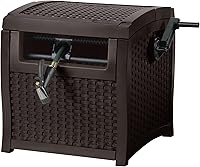
How to Repair a Hose Reel Cart
You can fix most hose reel cart problems with a few basic tools. Tighten or replace the brass fittings to stop leaks, clear tangled hose from the spool, and re-seat wheels and handles before you consider a new cart.
On this page (10 sections)
- What are the most common hose reel cart problems?
- How do you fix a leak at the cart's fittings?
- How do you free a crank handle that won't turn?
- How do you repair loose or wobbly wheels?
- How do you deal with a hose that keeps kinking?
- How do you stop the cart from tipping while you pull?
- Which parts wear out first, and what should you keep on hand?
- How do you protect a repaired cart from weather damage?
- When is a hose reel cart beyond repair?
- How to repair a hose reel cart: the short version
You can fix most hose reel cart problems yourself: tighten or replace the brass fittings to stop leaks, clear tangled hose from the spool, and re-seat the wheels and crank handle. That covers the common faults before you need to think about a new cart.
A hose reel cart is a simple frame, spool and wheel set, so the usual failures sit in a handful of parts. Work through the checks below in order and you'll know whether to repair the cart or replace it.
What are the most common hose reel cart problems?
Leaks, a stuck crank, loose wheels and a frayed hose top the list. Nearly every repair you'll make on a hose reel cart starts with one of these four faults.
Leaks usually come from a worn rubber washer, a loose brass connector or a split leader hose. A crank that binds points to a bent axle, debris on the spool or an overtightened fitting.
Loose or wobbly wheels mean worn pins, missing washers or a hub that has worked free. A hose that kinks at the reel or wears through near the connector is a routing problem as often as a worn hose.
Check each part before you buy replacements. A five-minute inspection tells you whether you're dealing with one fix or several, and whether the frame itself is still sound.
How do you fix a leak at the cart's fittings?
Start at the brass connector: tighten it by hand, then replace the rubber washer if it still drips. Most cart leaks are a worn washer or a loose joint, not a broken spool.
Turn the water off and drain the hose first. Unscrew the connector at the inlet, check the washer for cracks or flattening, and swap in a new one.
Reassemble hand-tight plus a small turn with pliers.
If the leak sits where the leader hose meets the spool, replace the short hose rather than patching it. A split under pressure will keep opening up.
Brass fittings resist rust better than plastic ones, which is why carts like the WERMAH 4-Wheel use them. For a full walk-through of leak sources and fixes, read how to fix a leaking hose reel.
How do you free a crank handle that won't turn?
Clear the hose from the spool first, then check the axle and fittings. A crank that jams usually has hose wrapped tight against the frame or a fitting threaded on crooked.
Unwind the hose completely and look for overlaps pressed into the spool. Pull the hose out straight and rewind it under light tension, guiding it across the drum as you turn.
If the handle still binds with no hose on the spool, check the axle for bends and the crank arm for contact with the frame. Straighten a mild bend or replace the pin that holds the handle.
On the WERMAH cart, a stiff crank can come from a missing washer between the T-connector and the spring. That's a small, cheap part to replace before you assume the crank assembly has failed.
How do you repair loose or wobbly wheels?
Re-seat the wheel pins and replace missing washers, then check that all four wheels sit flat. Wobble usually comes from a pin that has worked partway out.
Lift one side of the cart at a time and push each pin fully through its hub. On the WERMAH cart, spread the pin ends apart after inserting them so they hold.
Add a washer if the wheel rocks on the axle.
Solid wheels don't go flat the way pneumatic tires do, but a cracked hub still needs replacing. The VEVOR 250 Ft cart uses four solid 10-inch PU wheels on rigid casters, so a wobbly front wheel often means a loose caster mount rather than a bad tire.
Check the base for bends after any tipping incident. A frame that's out of square will keep pulling wheels out of line, so straighten it before fitting new pins.
How do you deal with a hose that keeps kinking?
Kinks come from poor routing and a hose that twists as it winds. Fix the path first, because a kink at the reel stresses the hose every time you crank.
Feed the hose straight onto the spool and keep light tension as you turn the handle. Let the free end lie flat on the ground so it can rotate instead of twisting.
An angled brass connector helps here. The WERMAH cart uses one to reduce kinking at the source and ships with a 6.5 ft leader hose that takes the bend away from the main hose.
If the hose has worn thin or split near the connector, cut back the damaged end and refit it, or replace that section. A hose guide helps too; see what a hose guide does on a hose reel to decide whether adding one is worth it.
How do you stop the cart from tipping while you pull?
Keep the hose centered on the spool, park on level ground and pull straight toward you. A cart tips when weight shifts to one side or the hose yanks sideways.
Load the hose evenly across the drum as you wind it. A lopsided spool puts the center of gravity off to one side, and a hard sideways pull can roll the cart over.
The VEVOR cart is built with a low center of gravity to reduce tipping and rolls on four 10-inch wheels. A wide base does the same job on the WERMAH cart, which is easier to move across a lawn.
Pull the hose from the base of the cart, not from the top of the spool. If your yard slopes, move the cart to flatter ground before you water.
Which parts wear out first, and what should you keep on hand?
Washers, leader hoses, wheel pins and the crank handle are the first parts to fail. A small spares kit saves a second trip once something starts dripping or wobbling.
Keep a pack of rubber washers, a spare short leader hose, a few split pins and a small adjustable wrench in the shed. Those cover most repairs on any cart, whatever the brand.
Check brass fittings and wheel hubs each season for corrosion. The WERMAH cart has a weather-resistant powder-coated frame, brass fittings and stainless steel screws, which resists rust longer and reduces how often you need to repair it.
Tighten everything you can reach by hand after winter storage. Loose fittings are far easier to fix before they split under pressure.
Our guide to garden hose winter storage ideas covers the off-season checks that prevent spring leaks.
How do you protect a repaired cart from weather damage?
Cover the cart when it's not in use and store it out of standing water. Sun and rain wear out washers, fittings and the frame faster than any amount of use.
Park the cart on a patio or in a shed rather than on wet grass. Empty the hose before storing it so trapped water doesn't freeze in the fittings over winter.
A cover keeps rain, leaves and bird droppings off the spool and frame. The GRABADO cover is made from extra thick 420D Oxford fabric with a waterproof coating, and its seams carry waterproof strips to keep water out.
Check the cover size against your cart before you buy, since it's a universal fit at 39 x 28 x 39 inches. A vented cover reduces trapped moisture, which helps stop rust on the frame and fittings.
When is a hose reel cart beyond repair?
Skip the repair when the frame is bent or rusted through, the spool hub is cracked, or the same fitting keeps failing. At that point the cart's structure is the problem, not one worn part.
Surface rust on a powder-coated frame is cosmetic and worth cleaning up. Rust that has eaten into a weld or the axle mounts is not, because a repaired cart can fail under a full spool.
Compare the cost of the part against a replacement cart. A new washer or wheel pin is cheap; a new spool or frame section rarely is.
If the cart is still new to you and the frame looks fine, repair it. If it has already tipped once and bent the base, a replacement is the safer buy.
Our garden hose reels explained guide compares wall, cart, crank and box types if you're shopping for a replacement.
How to repair a hose reel cart: the short version
Repair the fittings, the crank, the wheels and the hose path first, then cover the cart to prevent repeat faults. Those four checks fix most carts without a single new part.
Replace a worn washer to stop a drip, clear the spool to free a crank, re-seat the pins to steady a wheel and straighten the hose path to end kinks. Cover the cart when the job is done so weather doesn't undo your work.
If the frame is bent or the hub is cracked, stop repairing and replace the cart. For everything else, a small spares kit and a few minutes of inspection will keep the cart rolling.
Frequently asked questions
How much does it cost to repair a hose reel cart?
Most repairs need only a few dollars in parts, like a new washer or a short leader hose. A failed brass fitting or a bent wheel can cost more, so compare the part price against the cart's replacement cost before you buy anything.
Can I repair a cracked plastic hose reel?
A small crack on a non-pressurized part can be cleaned and sealed with a suitable plastic adhesive. Cracks in a pressurized fitting or the spool hub are risky to patch, so replace that part instead of relying on glue.
How do I stop a hose reel cart from tipping over?
Load the hose evenly across the spool, keep the cart on level ground, and pull the hose straight rather than sideways. Carts with a wide base and large wheels tip less, so check the base width if yours tips often.
When should I replace a hose reel cart instead of repairing it?
Replace the cart when the frame is bent or rusted through, the spool hub is cracked, or repairs keep failing in the same spot. A sound frame with a worn fitting or wheel is usually worth fixing.