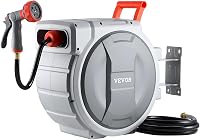
How to Attach a Hose to a Hose Reel Without Leaks
To attach a hose to a hose reel without leaks, match the hose end to the reel connector, seat a sound gasket, and tighten the fitting by hand. Turn on the water slowly and check both connections before winding the hose.
On this page (9 sections)
- How do you attach a hose to a hose reel?
- What should you check before connecting the hose?
- How tight should the connection be?
- How do you check for leaks at the reel inlet?
- Does the hose need to be attached before mounting the reel?
- How do you keep the hose from kinking at the inlet?
- What if the reel connection still drips?
- How do you attach a hose to a hose reel safely?
- Which connection should you check first?
To attach a hose to a hose reel without leaks, match the hose end to the reel connector, seat a sound gasket, and tighten the fitting by hand. Turn on the water slowly and check both connections before winding the hose.
A garden hose usually attaches to the reel's inlet with a threaded fitting. If the threads don't line up, stop and check the connector type rather than forcing it.
How do you attach a hose to a hose reel?
Connect the hose end to the reel inlet, with the gasket in place and the fitting straight. Keep the water off until the connection is secure.
- Find the reel's inlet and identify the hose end that fits it.
- Check that the fitting threads and gasket are clean and undamaged.
- Seat the gasket in the female swivel, if the connection uses one.
- Start the fitting by hand and turn it until snug.
- Turn on the water slowly, then inspect the connection for drips.
The inlet may be on a wall-mounted reel, a box, or a cart. If you're still choosing a setup, our guide to garden hose reels and their main styles explains the differences.
What should you check before connecting the hose?
Check the connector type, gasket, and thread condition before tightening. A mismatch or damaged washer can cause a leak even when the fitting seems tight.
Look inside the hose's female swivel for a flat rubber washer. Make sure it's seated evenly and isn't split, flattened, or missing.
Inspect both sets of threads for dirt or damage. Wipe away grit, then hold the hose fitting straight against the reel inlet as you start threading it.
Don't force a connection that catches or sits crooked. Some hose fittings use a standard garden-hose thread, but your reel's manual is the best guide to the correct inlet and any adapter it needs.
How tight should the connection be?
Tighten the fitting by hand until it is snug, then check it under water pressure. The gasket creates the seal, so more force isn't a substitute for a sound washer.
A cross-threaded fitting may feel tight before it seals. If the threads bind, loosen the connection and try again with the hose held straight.
Avoid using pliers unless the reel instructions call for a tool. Excess force can damage the fitting or threads, making a small leak harder to fix.
How do you check for leaks at the reel inlet?
Run water at low pressure first and watch the inlet joint. Dry the fitting with a cloth so a fresh drip is easy to spot.
If water appears around the joint, shut off the spigot and release pressure. Unscrew the connection, check that the gasket is present and flat, and look for dirt or cross-threading before reconnecting.
A leak can also come from another point on the reel or hose. Use how to fix a leaking hose reel at the inlet or hose to narrow down where the water is escaping.
The Giraffe Tools 5/8 In 100 Ft Hybrid Hose has 3/4 in GHT connectors, and its gasket can be replaced. Check that those threads match your reel before connecting.
Does the hose need to be attached before mounting the reel?
Follow the reel instructions for the order of installation and hose connection. Some setups are easier to connect while the reel is accessible; others call for mounting first.
For a wall reel, plan the mounting location and hose path before attaching a long hose. Our guide to installing a hose reel on a wall or post covers placement and mounting steps.
The Liberty Garden 708 is a steel wall reel with brass water hose fittings. Its mounting hardware isn't included, so plan for the wall installation separately.
How do you keep the hose from kinking at the inlet?
Leave a smooth curve between the inlet and the hose instead of bending it sharply. A tight bend can restrict water flow and strain the connection.
Give the hose room to move as the reel turns. If the fitting twists or pulls while winding, stop and reposition the hose rather than continuing under tension.
For a manual reel, guide the hose as it winds so the first wraps don't bunch near the inlet. See how to roll a hose onto a reel without kinks for winding technique.
The Flexzilla 5/8 In 100 Ft Garden Hose has crush-resistant aluminum fittings and an O-ring connection at the spigot. Keep the hose's reel connection aligned and use the reel instructions to confirm the right fitting.
What if the reel connection still drips?
Shut off the water, then inspect the gasket, alignment, and threads one at a time. Replace a damaged gasket with the correct type before trying the connection again.
If the hose fitting and reel inlet don't match, use only an adapter that fits both ends and is suitable for garden-hose service. Don't stack loose fittings or rely on tape to compensate for the wrong thread.
When a connection remains wet after careful reseating, check the reel manual or contact the reel maker for the proper replacement part. A leak from the leader hose or internal reel connection may need a different repair than a leak at the garden-hose swivel.
The VEVOR 300 Ft Hose Reel Cart has a steel frame and brass fittings. Confirm your hose size and connector fit before winding the hose onto the cart.
How do you attach a hose to a hose reel safely?
Keep the water off while connecting, and check for leaks before winding or moving the hose. Follow the reel manual if its steps differ from this general process.
Don't handle a pressurized fitting. If you need to loosen the connection, turn off the spigot and release the remaining pressure first.
Once the inlet stays dry, wind the hose slowly and watch the first few turns for twists or strain. For the next steps in everyday use, read how to use a hose reel.
Which connection should you check first?
Start with the reel inlet gasket and thread alignment if water drips where the hose meets the reel. If that joint is dry, inspect the leader hose, hose body, and other fittings to locate the source.
Choose a hose with fittings that match your reel, and replace a worn gasket with the correct size. If the connection still leaks after reseating, consult the reel instructions before adding an adapter or replacing a part.
Frequently asked questions
Do you need a washer to connect a hose to a reel?
Most garden-hose connections that seal at a threaded swivel need a properly seated washer or gasket. Check the reel and hose instructions, and replace a flattened, cracked, or missing gasket with the correct size.
Tightening harder won't fix a damaged seal.
Should you use plumber's tape on a garden hose reel?
Usually, no. Garden-hose fittings typically seal with a washer inside the female swivel, while tape is for threads that form the seal.
Check the reel instructions before using tape, and don't wrap it around a connection that relies on a gasket.
How tight should a hose reel connection be?
Hand-tighten the fitting until it feels snug and the gasket is seated. Open the water slowly and inspect the joint.
If it leaks, shut off the water, check alignment and gasket condition, then reconnect; don't use force that could damage the threads.
Which end of the hose connects to the reel?
The hose end that fits the reel's inlet connector attaches to the reel, while the other end stays available for the spigot or nozzle as your setup requires. Compare the connector types and follow the reel manual, since reel designs vary.