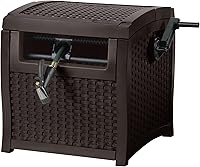
How to Make a Wooden Hose Reel
Build a wooden hose reel by cutting two round or square sides and a center drum from weather-treated wood, then joining them around a center axle. Add a crank handle and feet, or mount the drum on a bought cart frame, then seal the wood before the first hose goes on.
On this page (9 sections)
- What do you need to build a wooden hose reel?
- How do you plan the size and layout?
- How do you cut the wooden parts?
- How do you assemble the drum and frame?
- How do you mount a crank and keep the reel stable?
- Which hose and hardware suit a wooden reel?
- How do you finish and protect the wood?
- When is a bought cart the better choice?
- Which build should you choose?
Here's how to make a hose reel out of wood: cut two round or square sides and a center drum from weather-treated wood, join them around an axle, and add a crank or feet. Seal the finished reel, then wind the hose on evenly.
The job suits a weekend and a basic tool kit. You don't need a workshop full of machinery, just straight cuts, a drill and a plan for how the drum turns.
What do you need to build a wooden hose reel?
You need treated lumber, a center axle, a crank handle or bought cart frame, screws and a weather sealer. Round sides are easiest to cut from 3/4 in plywood; square sides come straight from 1x boards.
For the drum, use a piece of 4x4 or a short length of wide board cut to your hose length. A 100 ft hose needs a wider drum than a 50 ft one, so measure the coiled hose first.
Gather a saw, a drill with bits, a tape measure, a square and exterior screws. A hole saw or jigsaw helps with round sides, but a bought flange saves that step.
Add a crank handle for hand-winding and a pair of feet or casters for the base. A metal axle rod with end caps keeps the drum turning smoothly.
Can you build one without cutting round sides?
Yes. Square sides built from 1x boards skip the hardest part of the job.
Cut two equal boards a few inches wider than the coiled hose, round the corners with a saw or sander so the hose doesn't snag, and drill the axle hole in the center of each. The drum mounts between them the same way it would between round flanges, and the finished reel still holds the hose inside the frame.
This route also lets you use a hand saw and drill only, with no jigsaw or hole saw needed.
How do you plan the size and layout?
Plan the drum around the hose you own, then size the sides a few inches wider. The hose must sit inside the flanges, so a 100 ft coil needs more room than a short leader hose.
Draw the reel before cutting. Mark the two side circles, the drum width and the axle center, then check that the hose will clear the frame as it winds.
Decide whether the reel sits on the ground or mounts to a wall. A ground reel needs feet wide enough to stop tipping; a wall reel needs a bracket fixed into solid wood or masonry.
Match the drum width to the coil. Too narrow and the hose pushes past the sides; too wide and the reel wobbles on its axle.
A hose rated to 150 psi can be wound tight without the coil bulging, so the flanges should be slightly wider than the drum to keep the hose inside as it winds. Check the outside diameter of your hose, not just its length, when you mark the flange size.
How do you cut the wooden parts?
Cut the two sides first, then the drum and the frame pieces, keeping every cut square. Accurate sides make the axle sit straight and the drum turn true.
Mark both circles from the same template so they match. Cut just outside the line, then sand the edge smooth so the hose doesn't catch on splinters.
Cut the drum to the width you planned. If you use square sides, cut two equal boards and round the corners with a saw or sander.
Cut the feet and uprights from 2x stock. Make the feet longer than the drum is wide so the finished reel has a stable footprint.
Sand every edge that will touch the hose. A splintered flange will scuff the hose cover each time you wind it.
How do you assemble the drum and frame?
Join the sides to the drum around the axle, then fix the drum to the frame. Check the fit before adding the crank and the feet.
Center the axle hole on each side. Drill through both sides at once so the holes line up, then dry-fit the axle before gluing or screwing.
Attach the drum between the sides with screws or bolts. Keep the drum centered so the hose winds evenly in both directions.
Mount the sides on the uprights or feet, then fit the crank handle to one end of the axle. A locking pin or cap keeps the drum from sliding off.
Test the spin with no hose on it. The drum should turn freely without rubbing the frame.
How do you mount a crank and keep the reel stable?
Fit the crank to one side of the axle and widen the base until the reel stays put under a full hose. A loaded 100 ft hose is heavy, so balance matters.
Bolt or screw the crank handle firmly to the axle end. A folding handle is easier to store, and a fixed handle is simpler to build.
Set the feet wide and forward enough that the hose pulls toward the base, not over the top. Add casters if you want to move the reel around the yard.
For wall mounting, fix the main bracket with lag bolts into studs or masonry. A wooden reel loaded with hose pulls hard, so a light anchor won't hold it in masonry or solid wood.
Save the plastic anchors kit for lightweight accessories such as a hose guide.
Check the reel doesn't rock once loaded. Add a brace between the uprights if the frame flexes.
How do you wind a long hose without kinks?
Wind in even loops and keep the hose loose on the drum. A 100 ft hose wound tight against one flange pushes past the side on the next turn.
Guide the hose with your free hand so each loop sits beside the last, and stop when the drum starts to bulge. A swivel handle on the hose helps release a twist before it becomes a kink, and a hose that lays flat with zero memory cooperates with a hand-wound drum far more than stiff rubber.
Which hose and hardware suit a wooden reel?
A flexible hose that coils without kinking is the main thing, plus hardware that holds the bracket or guide in place. The reel only works as well as the hose that winds onto it.
Flexzilla's 5/8 in. hose runs 100 ft and uses hybrid polymer that the brand says won't kink under pressure. That makes hand-winding onto a wooden drum much easier than a stiff rubber hose.
At 6.8 pounds it is light enough to lift onto the drum, and its anodized aluminum fittings stand up to repeated winding.
The Giraffe Tools hose is a 100 ft polymer option with swivel handles. Its built-in gasket and threaded ends help keep connections sealed, and it coils neatly for storage on a reel.
The 3/4 in. GHT end and replaceable gasket mean a worn seal is a cheap fix rather than a new hose.
THE CIMPLE CO kit has 100 ribbed plastic anchors and 100 screw clips. The anchors suit wood, brick, concrete, stucco and drywall, which covers most spots for a wall-mounted wooden reel.
Use them for light accessories like a hose guide, not for the main bracket that carries the loaded reel.
Add a hose guide so the hose winds evenly. Our guide to a hose reel with hose guide explains how the roller keeps the hose centered and off the ground.
How do you finish and protect the wood?
Seal every face of the wood, including the cut ends, before the first use. Bare wood soaks up water, swells and splits, and a wet reel grows mold.
Sand the whole reel, then apply a weather sealer or exterior paint. Pay extra attention to the drum and the end grain, where water gets in fastest.
Let the finish dry fully before winding the hose. A tacky surface picks up dirt and makes the hose stick.
Check the screws and bolts after the first few uses. Wood shrinks and swells with the weather, so tighten anything that works loose.
Store the reel off wet ground if you can. A pair of feet or casters keeps the base drier and the reel lasting longer.
When is a bought cart the better choice?
Buy a cart if you want to move a long hose around the yard without lifting the reel. A homemade wooden reel is fine for a fixed spot, but a cart rolls a heavy hose to the job.
Our roundup of heavy duty hose reel cart picks covers long hoses and rough ground. If you want wheels and a frame already built, a hose reel cart with wheels saves the cutting and assembly.
A cart also suits anyone who moves the hose between the front and back yard. A fixed wooden reel stays where you mount it.
For a lighter DIY option, you can also build a drum from a spare wheel. Our guide to how to make a hose reel out of a tire rim uses a rim as the core and adds a wooden or metal frame.
Which build should you choose?
For most people, build a simple ground reel with square sides and a bought cart frame if you want to roll it around. Choose a round drum on a wall bracket if the hose stays in one spot.
Pick the Flexzilla 100 ft hose for a reel that winds by hand, since its hybrid polymer coils without fighting back. Use the THE CIMPLE CO anchors for light fittings such as the hose guide, and fix the main bracket with lag bolts into studs or masonry.
Measure your hose and your storage spot before cutting anything. A reel sized to the hose and the wall will outlast one built to a guess.
When you're ready to build a hose reel from wood, start with the drum and the base, then work outward. The finishing coat is what keeps it usable season after season.
Frequently asked questions
What wood should I use to make a hose reel?
Use weather-treated lumber such as pressure-treated pine or cedar for any part that stays outdoors. Cut the round sides from 3/4 in plywood or 1x boards and use a sturdier 2x frame for the feet and uprights.
How big should a homemade wooden hose reel be?
Size the drum to the hose you own. A 100 ft hose needs a drum wide enough to hold the coiled length and side flanges a few inches wider than the coil, so the hose stays inside the reel as it winds.
Can I make a wooden hose reel without power tools?
Yes, if you buy a round flange or use square sides instead of cutting circles. A hand saw, drill and screwdriver handle the joints, and a bought cart frame removes the need to cut the drum sides yourself.
How do I stop a wooden hose reel from tipping over?
Widen the base and keep the drum low. Two feet running forward and back, set wider than the drum, spread the load, and anchor a wall-mounted bracket into solid material rather than drywall alone.